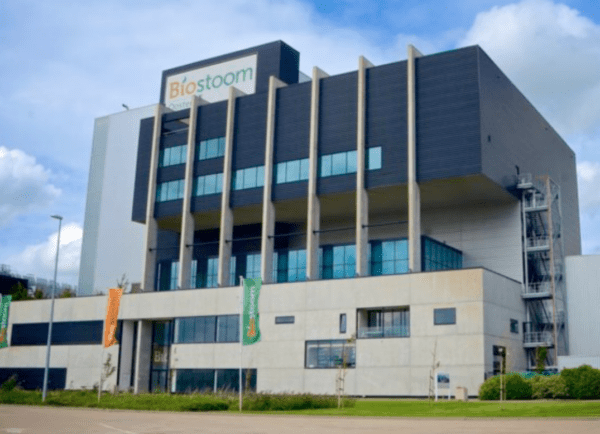
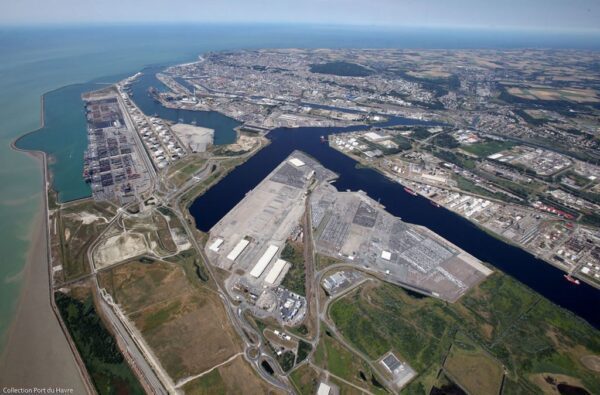
Synerzip buids ecosystem in the industrial zone of Le Havre port
Synerzip-LH is a federating association of 80 companies concerned around operational industrial port actions, particularly in terms of safety. It…
Read more
Vlaanderen Circulair
The R-strategies (R-hierarchy or R-ladder) are a set of ten strategies that guide how circular design and manufacturing can keep resources in use, and waste out of the environment. Each strategy contributes to creating, preserving, and recovering the value of inputs.
By prioritizing the upper R-strategies Refuse, Rethink, and Reduce, waste is prevented before it occurs, the need for raw materials and energy inputs is reduced, and manufacturing processes are optimized. The ladder moves from linear (R9) towards more circular (R0).
Make a product redundant by abandoning its function, or by offering the same function through a radically different product or service.
Make product use more intensive (e.g. through product-as-a-service, reuse and sharing models or multi-functional).


Increase efficiency in product manufacturing or product use, by consuming fewer natural resources and (raw) materials.

Reuse of a product which is still in good condition and fulfils its original function for the same purpose for which it was conceived by a different user.


Repair and maintenance of defective product so it can be used again for original function.


Restore an old product and bring it up to date.


Use parts of a discarded product in a new product with the same function (and as-new-condition).
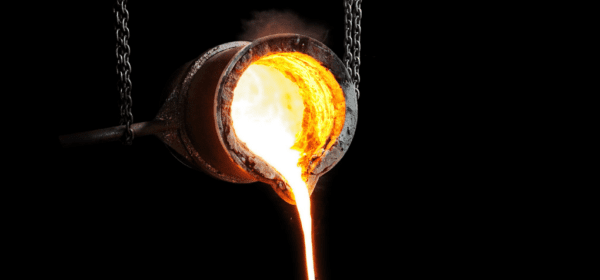
Use a redundant product or its parts in a new product with different function.
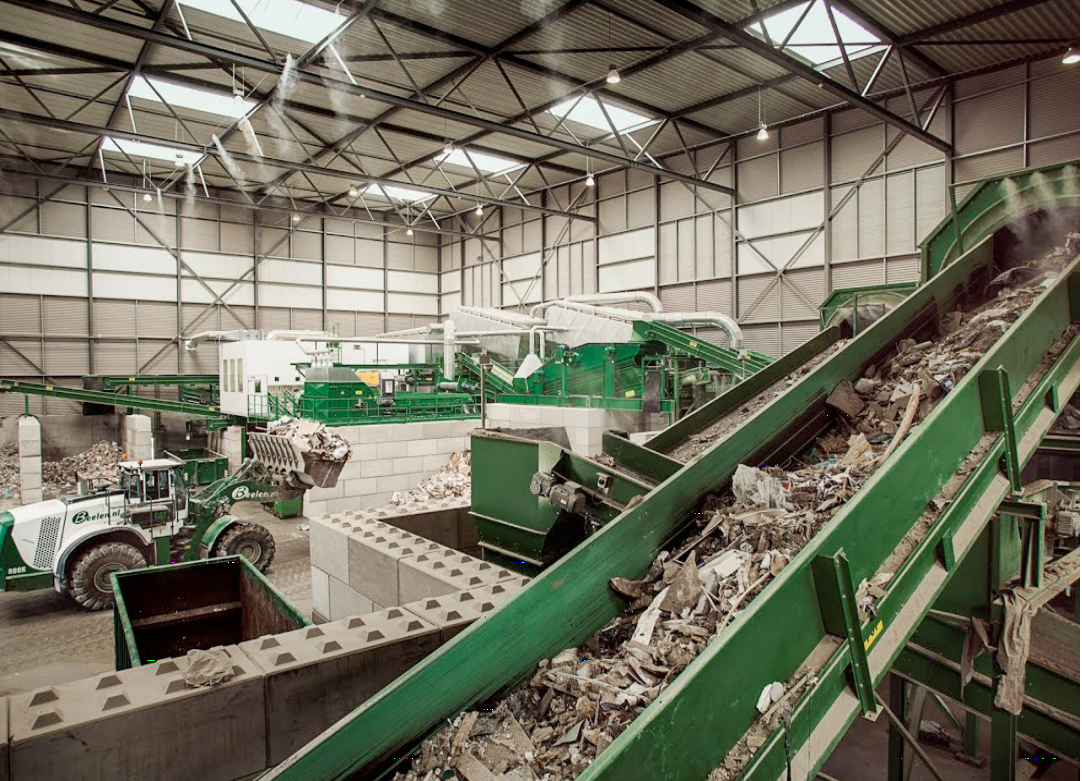


Recover materials from waste to be reprocessed into new products, materials or substances whether for the original or other purposes. It includes the reprocessing of organic material but does not include energy recovery and the reprocessing into materials that are to be used as fuels or for backfilling operations.
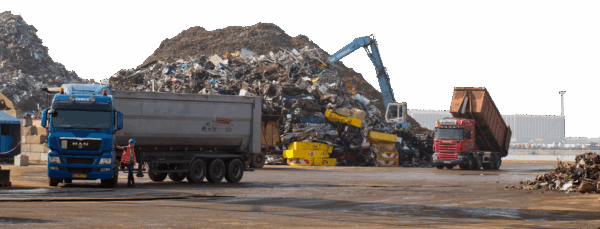

The recovery of (embodied) energy from wastes and residues.
From a waste management angle, energy recovery is an environmentally preferable option to landfill disposal. Additionally, waste-to-energy and waste-to-fuel strategies may contribute to climate change mitigation. However, in comparison to the other R-strategies, energy recovery has modest efficiency gains, particularly when considering the loss of economic value of potentially recyclable materials. Therefore it is the least favourable option.