

Traditionally, ports are logistic hubs, focussed on moving goods. Nowadays, many ports also house business activities. This creates potential for ports to take up a role as circular resource hubs. Furthermore providing space for incubators and research centres within or near the port area, can help drive circular economy innovation.
To successfully implement circular economy principles in a seaport context, spatial planning policies must create the right enabling conditions. This means integrating circular strategies into the development, transformation, and restructuring of port areas and their surrounding regions. Achieving this requires close coordination and collaboration among key stakeholders, including government departments, port authorities, and land users or concession holders.
01
Port concessions
Port concession procedures offer a strategic opportunity to promote circular practices. Through tendering, port authorities can introduce criteria, incentives, or fee structures that favour circular activities. The duration of concession agreements also plays a role: while shorter terms may suit startups and scale-ups, long-term investors typically prefer extended commitments to ensure return on investment.

02
Redevelopment of underused land
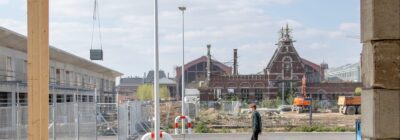
The redevelopment of underused or vacant land such as blackfields, brownfields, or greenfields can serve as a powerful lever for circular transition. These classifications, based on factors like contamination and current use, carry important regulatory and financial implications. Despite these challenges, regenerating such sites offers substantial environmental, social, and economic benefits. Instruments like brownfield covenants (agreements between public authorities and project stakeholders) can help facilitate redevelopment within a clearly defined framework.


03
Circular Business parks
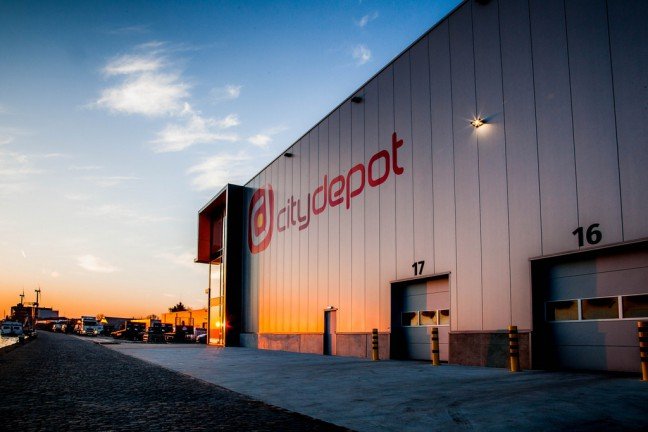
Circular activities within – or near – port areas can be stimulated by creating dedicated circular business parks. These locations provide the infrastructure and setting to facilitate industrial symbiosis, as well as space to facilitate reuse of materials, whilst minimizing waste. Furthermore, communal logistics hubs could be set up.


Library
Recommended reads on Spatial Planning in Ports

Delta Atelier
Together with Delta Atelier, we have embarked on a journey of dialogue, exploration and knowledge sharing around the challenge of…
Read more
Handreiking ‘Ruimte voor circulare economie op bedrijventerrenen in en om de stad’
De handreiking ‘Ruimte voor circulaire economie op bedrijventerreinen in en om de stad’ biedt inspiratie door middel van praktijkvoorbeelden, kennis…
Read more
Protect our Ports! But wait, what are we talking about?
The thesis of this commentary is that the success of ports does not depend on results, but on the perception…
Read more