
Because Antwerp is a port city, a lot of food streams comes in – and a significant part of it goes to waste. Furthermore, there are many logistic and circular opportunities, because of the business development in the region. Antwerp also has a strong network in the so called ‘short supply chain’. As any large city, Antwerp has a lot of poverty and distance to the labor market amongst its residents. These circumstances foster potential for the creation of a social circular food hub.
In 2020 the City of Antwerp approved their urban climate policy. This policy included the development of a local, connecting food strategy. Food is an important topic for the city, as it brings together social, ecological and economic policy domains. As part of the food strategy, the City launched an innovation trajectory to start a social circular food hub, in September 2022. This project brings together various departments of the city and external partners, including Circular Flanders. It is facilitated by a consultancy bureau and received funding from the Flemish government. After collective learning and experimenting, a shared vision and business model for the food hub were drafted in 2023. This was also the starting point for three pilot projects, putting the ideas to the test in practice.
Pilot project ‘valorising waste streams from the Port of Antwerp’
Tons of vegetables, fruit and other quickly perishable products arrive at the port every day. Some of these products are ultimately not consumed by people, for various reasons.
Aims of the pilot project:
- examines these residual flows
- looks at what can be done to reduce food waste in the port
- looks for ways to keep food surpluses high-quality
- makes the link with social employment
This pilot project was a collaboration between Stroom Maatwerk vzw (social economy NGO)and the Institute for Agricultural, Fisheries and Food Research (ILVO).
The results of the pilot were shared in the beginning of 2026.
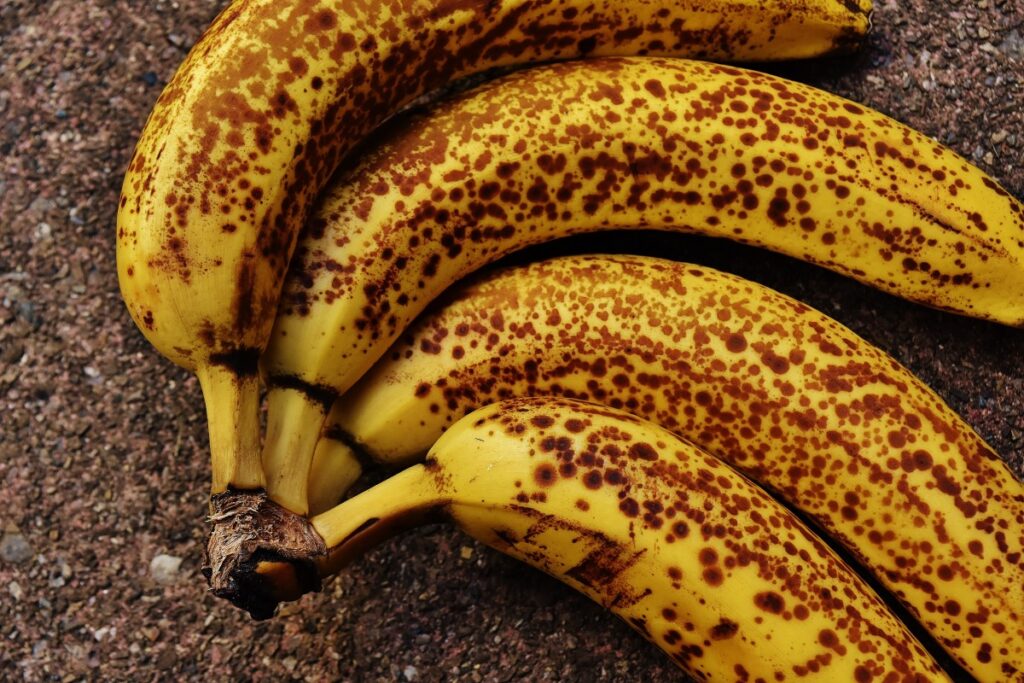
The project explored how surplus banana streams could be valorized within a circular and social foodhub. Antwerp, home to Europe’s largest banana terminal, generates substantial residual flows. Currently, destroying these surplus bananas through digestion is often more financially and logistically beneficial than processing them into food.
Although the removal of import duties on bananas that are processed into purée creates new opportunities, several barriers persist. These include fiscal and administrative hurdles, unpredictable volumes and timing of surplus streams, strict food safety requirements, and high logistical costs.
In conclusion:
- Bananas should primarily be processed for human consumption, with digestion considered only as a last resort.
- Social employment is a key lever, as social enterprises can handle tasks such as sorting, packaging, and logistics.
- Strong collaboration between government, businesses, and civil society is essential to create a sustainable food hub.
Source Antwerpenmorgen.be
Imgage credit Joel Muniz via Unsplash