Straal vzw gives abandoned boats a second life through circular boat sharing
Across Europe, thousands of ageing polyester leisure boats are reaching the end of their lifespan. Once celebrated as lightweight and affordable, many of these vessels are now abandoned due to high maintenance costs and changing ownership patterns. Recycling polyester boats remains technically difficult and costly, meaning that many ultimately end up being dismantled and incinerated. This growing waste stream highlights the need for circular solutions that prioritize reuse and repair over disposal.
Belgian non-profit organisation Straal has developed a circular business model that transforms neglected leisure boats into shared electric vessels. Instead of treating ageing boats as waste, Straal rescues, repairs and upgrades them in an inclusive boat workshop where volunteers, experts and people facing barriers to employment work together.
After refurbishment, the vessels are fitted with electric propulsion systems and reintroduced as shared boats, extending their lifespan while reducing the environmental footprint of recreational boating.
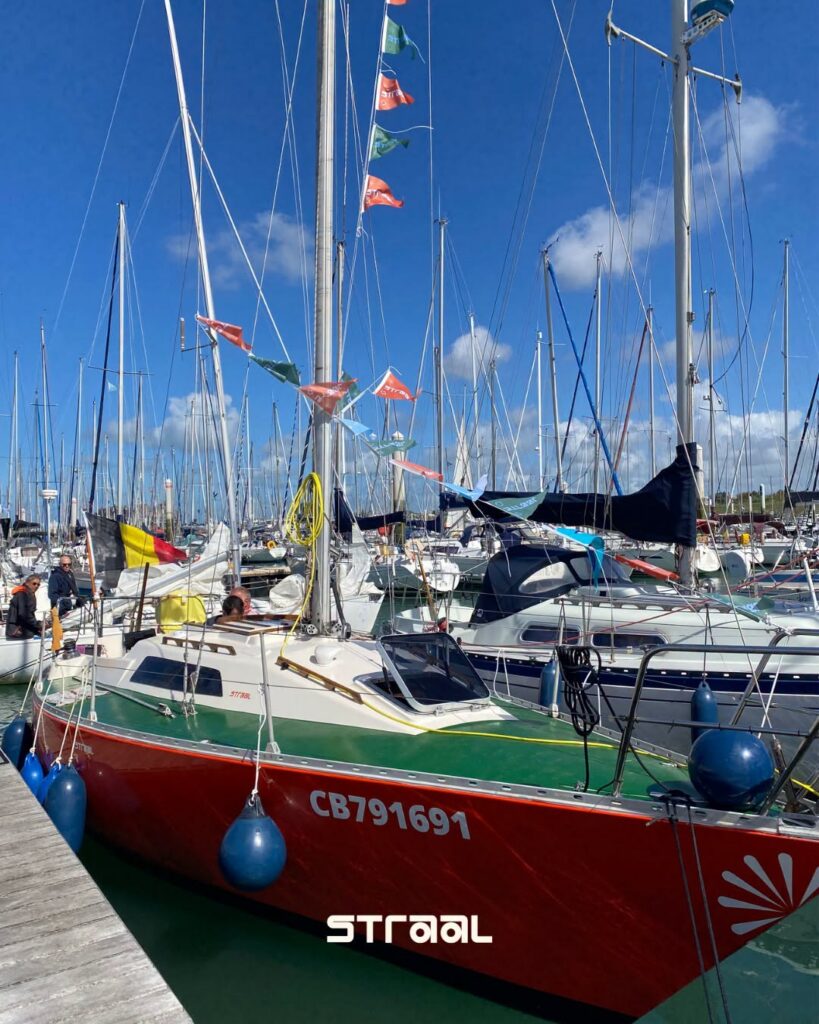
A flagship example is the Wullock, a 27-foot sailing yacht that was originally destined for recycling. Through restoration and electrification, the vessel has been given a new purpose as a shared sailing boat and training platform for electric boating in Nieuwpoort.
Straal demonstrates several key principles of the circular economy:
- Extending product lifetimes through repair, refurbishment and maintenance.
- Retaining the value of existing materials and assets by avoiding premature disposal.
- Reducing demand for new boat production through the reuse of existing vessels.
- Promoting a sharing model that increases asset utilisation and decreases the need for individual ownership.
- Supporting local repair ecosystems and skills development through hands-on restoration activities.
By prioritising reuse over recycling, Straal preserves the highest possible value of existing boats while preventing large volumes of composite materials from becoming waste.
The initiative combines environmental and social objectives. Restoration activities take place in a socially inclusive workshop where volunteers, technical specialists and people with a distance to the labour market collaborate on boat refurbishment projects. This creates opportunities for skills development, community engagement and participation in the green transition.
Ports and marinas are increasingly confronted with ageing leisure vessels and the challenge of managing end-of-life boats. Straal shows how ports can move beyond waste management and become enablers of circular value creation.
Through partnerships with marinas and local stakeholders, abandoned vessels can be transformed into shared electric boats that remain active within the local waterway ecosystem. The approach supports circular port ambitions by reducing waste, extending asset lifetimes, encouraging shared use and promoting low-emission water recreation.
Straal has developed a growing fleet of shared electric boats across Flanders and has established restoration hubs for the refurbishment of neglected vessels. The initiative demonstrates that circularity in recreational boating can go beyond recycling by combining repair, electrification and shared ownership models into a viable alternative for the sector.
By turning end-of-life boats into shared electric assets, Straal offers a practical example of how circular economy principles can create environmental, social and economic value within port and waterfront communities.
Source and image credit https://straal-boot.be/home