

Designing with Flows Masterclasses
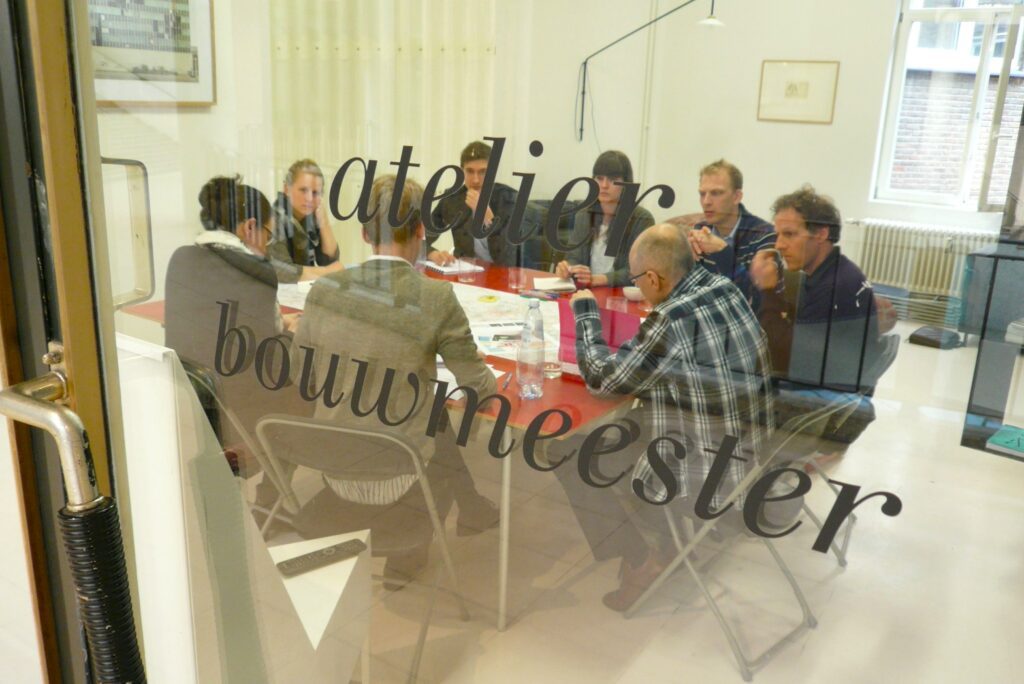
We organised a series of masterclasses ‘Designing With Flows’ (December 2016 – February 2017) in the slipstream of BOZAR’s exhibition A Good City Has Industry, which presented the results of the Atelier Brussels at the International Architecture Biennale Rotterdam (IABR).
The primary purpose of the Master Classes ‘Designing with Flows’ was to familiarise participants with the theory, concept and practice of ‘circular metabolism’. In this relation, we were also interested in starting and contemplating a shared agenda, while also seeking to foster a partnership made up of incredibly diverse actors.
Get to know us
Meet the Support Team
We initiated the masterclasses as a co-production with the Flemish Environmental Agency (VMM/MIRA), the BWMSTR team (Flemish Government Architect), the urban design practice FABRICations and the non-profit community Metabolism of Cities.
The masterclasses were led and supported by Olv Klein (FABRICations), Aristide Athanassiadis (ULB, Metabolism of Cities) and Philippe Vandenbroeck (shiftN). The venue was hosted by the BWMSTR team.
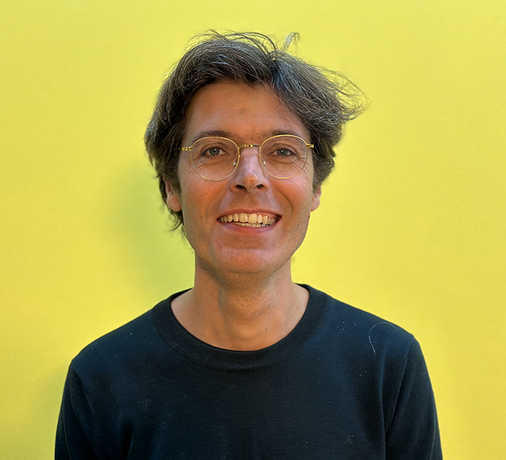
Olv Klijn is Principal at FABRIC – architecture, urbanism, regional strategies and Assistant Professor at the chair of Dwelling at the Technical University Delft. He studied architecture at the Eindhoven University of Technology and graduated Cum Laude. As an artist in residence Klijn studied the impact of current urbanization patterns at the American West Coast stayed at the Banff Centre in Canada.
Klijn is (co)author of several books such as ‘VMX Agenda’, ’10 x Den Bosch’, ‘Station Centraal’, ‘Architect by accident’ and ‘The making of …’ and published in various journals.
In 2007 he founded FABRIC together with Eric Frijters and as of then involved in the design and research of architecture, urbanism and regional strategies. In 2010 they won the Prix de Rome, the price for architects up to 35 years. In 2011 Klijn was recognized as one of the 40 emerging European architects under 40 years old. One year later he was nominated for the Iakov Chernikhov International Architecture Prize ‘for designers, that stand in the field experiment with innovative architecture, education and research in architecture and urbanism’.
Contact: ok@fabrications.nl
Olv Klijn
Founder / Director
FABRICations
Contact: pv@shiftn.com
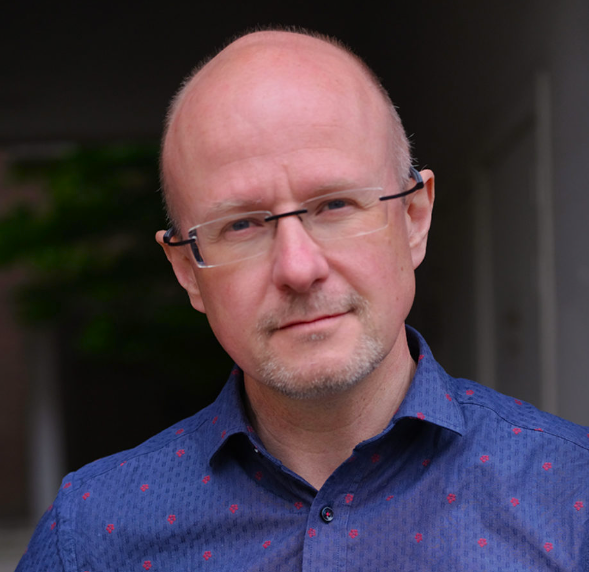
Philippe Vandenbroeck
Systems / Futures Thinker – shiftN
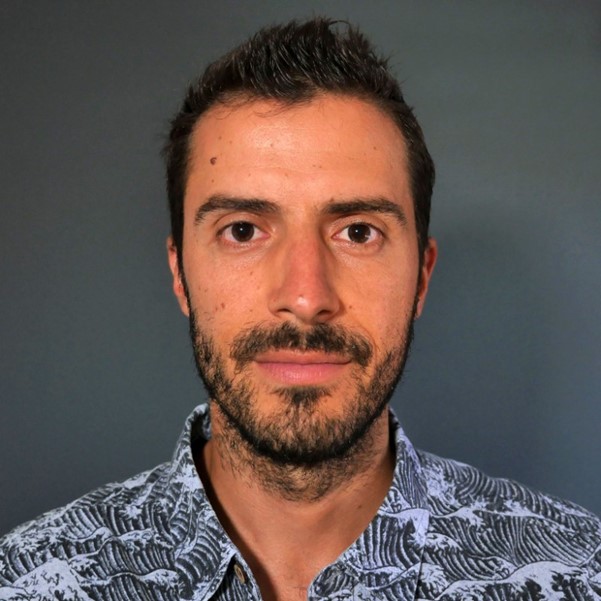
Aristide is co-founder of Metabolism of Cities and Senior Researcher at the Human-Environment Relations in Urban Systems laboratory of the Ecole Polytechnique Fédérale de Lausanne.
Within his work he attempts to build bridges between the academia, public administrations and ‘circular’ actors in order to accelerate cities’ transition towards a more circular economy and metabolism. During the last years, he has advised and has acted as a external consultant for a number of local, regional and international administration and organisations on the topics of urban metabolism and circular economy.
Aristide Athanassiadis
Cofounder Metabolism of Cities / Circular Economy researcher & lecturer
Towards a Circular Metabolic Agenda
The masterclasses were open to anyone interested in getting to know the idea of urban planning and design through the lens of circular metabolism. They were recommended for city makers, city and regional administrations, circular economy and sector professionals, academics and researchers, consultants, and anyone who wants to integrate circular principles into their activity or field.
The programme was structured to develop a common agenda.
08.12.16 MASTERCLASS 1 – What is urban metabolism? Why is it relevant?
Lectures: Jan Jongert (SuperUse Studios), Ben Kubbinga (Circle Economy) and Aristide Athanassiadis (ULB/BATir, Université Paris 1 Panthéon-Sorbonne, Metabolism of Cities)
12.01.17 MASTERCLASS 2 – What needs to change?
Lectures: Lola Sheppard (Lateral Office, University of Waterloo – Toronto Canada), Julie Marin (KULeuven) and Phebe Dudek (MIT Urban Metabolism Group)
02.02.17 MASTERCLASS 3 – Where do we start?
Introduction of the debate by: Dirk Sijmons (H+N+S Landschapsarchitecten)
Reflections and feedback by: Philippe Vandenbroeck (ShiftN)
All classes were moderated by Olv Klijn (FABRICations.)
Discover the lectures and interviews
Some key learnings
It was clear from the discussions that engineers and urbanists work from very different methodological assumptions. Engineers map and design a metabolism, urbanists design with a metabolism. The guiding heuristics of industrial ecologists are quite clear – ‘efficiency’ and ‘economic value’ – while designers tend to see the city as unruly, inefficient and a matrix for quality of life. It is not clear how these divergent professional visions can be aligned.
Read all the key learnings in the summary report or watch Philippe Vandenbroeck’s full reflection.
The series of masterclasses was a step towards a Circular Metabolic Agenda, but it did not provide a formal, ready-made agenda. The debate definitely set in motion some serious, rather serendipitous outcomes and learning spillovers.
Randomised outcomes and learning spillovers
The debate set in motion by the master classes resulted in some serious, rather serendipitous outcomes:
PUBLICATIONS AND ARTICLES
- publication Designing the Future
- special issue Urban Metabolism (AGORA, 2018)
- articles Interpreting circularity. Circular City Representations Concealing Transition Drivers (KU Leuven, 2018) and Circular Area Design or Circular Area Functioning? A Discourse-Institutional Analysis of Circular Area Developments (TU Delft, 2019)
ADDITIONAL RESEARCH/ACADEMIC WORK
- design research Buda Metabolism (Northern Brussels Periphery) and Metabolism Antwerp
- PhD dissertations, such as Circular Economy Transition in Flanders. An Urban Landscape Design Contribution (KU Leuven, 2019)
- the establishment of a Circular Metabolism Chair (ULB, 2018)
COMMUNITIES AND SEMINARS
- start-up of a Flemish-Brussels-based Circular Metabolism Community
- seminar series Cities in the metabolic loop within the metrolab.brussels framework
- Brussels part of an international seminar series Urban Metabolism in Policy and Practice (Cape Town – Beijing – Brussels), a collaboration between Metabolism of Cities, the ULB Urban Metabolism Chair, Circular Flanders and UN Environment